

Canning is a pretty efficient way to keep food on hand for months or even years, and a lot of us rely on home-canned foods to stock our pantries. But here’s something every home canner needs to know: not every food or recipe is suitable for home canning.
Sometimes the problem is acidity. Other times it’s the thickness, density, fat content, or combination of ingredients. These factors can affect how heat moves through the food during processing, which means simply putting something in a pressure canner doesn’t automatically make it safe.
In this guide, I’m going to walk you through 10 foods—or forms of foods—that you shouldn’t home can unless you’re following a current, scientifically tested recipe specifically developed for them. I’ll also explain what you can do instead, because in many cases freezing or another preservation method works perfectly well.

- Why Certain Foods Aren’t Suitable for Home Canning
- 10 Foods You Should Never Can
- 1. Dairy Products
- 2. Eggs
- 3. Thickened Foods
- 4. Pureed Pumpkin or Winter Squash
- 5. Rice, Pasta and Other Grains
- 6. Mashed or Refried Beans
- 7. Bacon and Very Fatty Meat Products
- 8. Creamy, Butter-Based and Mayonnaise-Type Sauces
- 9. Avocado
- 10. Pesto and Oil-Heavy Sauces
- Common Questions About Canning Safety
- Extra Tips for Safe Home Food Storage
- Real-World Examples and Preserving Smarts
- Frequently Asked Questions
Why Certain Foods Aren’t Suitable for Home Canning
Knowing what not to can is just as important as learning how to can safely. Home-canning processing times are scientifically tested for specific foods, preparation methods, jar sizes, and canning methods.
Changing the thickness, density, acidity, or ingredients in a recipe can change the way heat moves through the food. That’s why you can’t assume that processing something longer—or simply using a pressure canner—will make an untested recipe safe.
One of the biggest concerns with improperly canned low-acid foods is botulism. Clostridium botulinum can grow and produce toxin under the right conditions, including the moist, low-oxygen environment inside an improperly processed sealed jar.
That’s why I stick with tested home-canning recipes from reliable sources such as the USDA and National Center for Home Food Preservation rather than experimenting with canning times or methods.
The 10 Foods You Should Never Can (and Why)
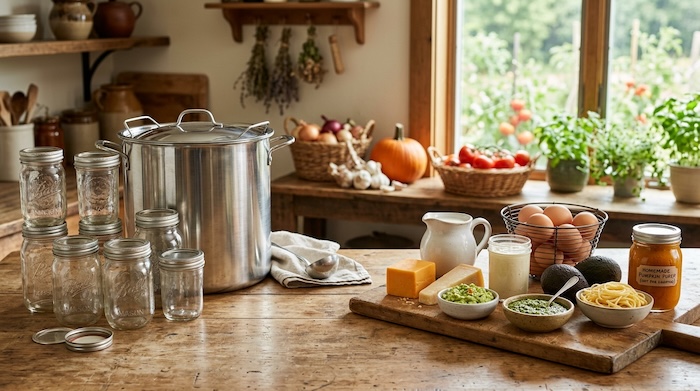
Some foods simply aren’t good candidates for home canning, while others are safe only when they’re prepared in a very specific way and processed using a tested recipe. Here are 10 foods—or forms of foods—that I wouldn’t put on the pantry shelf unless I was following a current tested canning recipe.
1. Dairy Products
Milk, cream, cheese, and dairy-based sauces shouldn’t be added to home-canning recipes unless you’re following a tested recipe that specifically calls for them.
This is especially important with soups. Tested home-canning instructions for soups specifically tell you not to add milk or cream before canning.
If I want to make something like a creamy soup, I prefer to can the ingredients that are safe to can and add the milk, cream, or cheese when I heat it up for a meal. Freezing is another good option for many dairy-based foods.
2. Eggs
Eggs aren’t something I would try to make shelf-stable with a home canner. There are no tested home-canning directions for pickled eggs either.
You can make pickled eggs at home, but they need to be kept refrigerated. That’s very different from processing jars and storing them on a pantry shelf.
If you have a lot of eggs to use up, look for a preservation method specifically designed for eggs rather than trying to adapt a regular canning recipe.
3. Foods Thickened With Flour, Cornstarch or Roux
This is an easy mistake to make, especially when you’re canning homemade soups, stews, or sauces.
Adding flour, cornstarch, roux, or another thickener changes the consistency of the food. That can change how heat moves through the jar during processing, so you shouldn’t simply thicken a regular soup recipe and assume the original processing instructions still apply.
When I’m canning a soup that will eventually be thick and creamy, I leave the thickener out. When I open the jar to make dinner, I can add flour, cornstarch, cream, or whatever else the finished recipe needs.
4. Pureed Pumpkin or Winter Squash
Pumpkin and winter squash are a great example of why the form of the food matters.
There are tested pressure-canning instructions for pumpkin and winter squash cut into 1-inch cubes. However, mashed or pureed pumpkin and winter squash aren’t recommended for home canning.
The thickness of a puree can vary considerably, which makes it difficult to establish one processing procedure that safely works for every batch.
If you make pumpkin puree for pies, soups, or baking, freezing it is the better choice. If you want shelf-stable pumpkin, follow a tested pressure-canning recipe for cubed pumpkin or winter squash.
5. Rice, Pasta and Other Grains Added to Home-Canned Soups
It can be tempting to make a completely finished chicken noodle soup, beef and barley soup, or another ready-to-eat meal and put the whole thing into jars.
The problem is that rice, noodles, pasta, and other grain products can absorb liquid and change the consistency of the food. Tested home-canned soup instructions don’t include rice or pasta.
I think there’s an easier solution anyway: can the soup base using a tested recipe and add the noodles, rice, or other grain when you open the jar. It doesn’t take long to cook them, and you’ll usually end up with a much better texture too.
6. Mashed or Refried Beans
Beans themselves aren’t the problem. There are tested pressure-canning procedures for dried beans and peas.
The problem comes when you mash or puree them before canning.
Just like pureed pumpkin, mashed beans create a much denser product than whole beans. A processing time developed for whole beans shouldn’t be used for mashed or refried beans.
Instead, pressure can your beans according to a tested recipe and mash or season them after opening the jar. You’ll still have the convenience of home-canned beans without changing the tested canning process.
7. Bacon and Very Fatty Meat Products Without a Tested Recipe
This one needs an important distinction because meat can absolutely be home canned safely when you use a tested pressure-canning recipe.
There are tested pressure-canning procedures for ground beef, pork, venison, and freshly made sausage, as well as strips, cubes, and chunks of meat.
If you plan to preserve low-acid foods such as meat or vegetables, you’ll need a pressure canner designed specifically for home canning, rather than a regular pressure cooker.
What I wouldn’t do is assume that every meat product can be canned the same way. Bacon and heavily cured, very fatty or processed meat products shouldn’t automatically be substituted into a recipe developed for fresh meat.
If you want to can meat, use a tested recipe for that particular type and preparation of meat, remove excess fat when instructed, and follow the correct pressure, processing time and altitude adjustment.
8. Creamy, Butter-Based and Mayonnaise-Type Sauces
Homemade Alfredo sauce, Hollandaise, cheese sauce, and mayonnaise aren’t foods I would try to preserve on the pantry shelf with a home canner.
These foods can contain combinations of dairy, eggs, fat, and thickening ingredients that aren’t covered by standard home-canning procedures.
Instead of trying to turn a favourite creamy sauce into a canning recipe, freeze it if the recipe freezes well or make it fresh when you need it.
If you’re canning a sauce that will eventually be creamy, another option is to can an appropriate tested base and add the cream, butter, or cheese after you open the jar.
9. Avocado
Avocado isn’t a food I would home can for shelf storage.
Its high fat content and soft, dense texture make it very different from the fruits and vegetables normally preserved using tested home-canning recipes, and there isn’t a standard USDA or National Center for Home Food Preservation canning procedure for putting plain avocado or guacamole on the pantry shelf.
Fortunately, avocado is easy to preserve another way. If I have more than I can use fresh, freezing is a much better option than experimenting with a home-canning recipe.
10. Pesto and Oil-Heavy Sauces
Homemade pesto is another food that belongs in the freezer rather than the canning cupboard.
Traditional pesto usually contains quite a bit of oil along with herbs, and often nuts and cheese. There are no recommended home-canning procedures for pesto.
If you grow a lot of basil, make your pesto and freeze it in small portions instead. That makes it easy to pull out just what you need for pasta, pizza, or another meal.
The same basic rule applies to other homemade oil-heavy mixtures: don’t assume that putting them in a jar and processing them will make them shelf-stable. Unless you have a tested home-canning recipe specifically designed for that food, choose another preservation method.
Each of these foods is popular, but not one of them is worth risking your health for by home canning. If you see someone online recommending otherwise, it might be time to step back and do some fact-checking (the National Center for Home Food Preservation has a great site for this).
Common Questions About Food Safety and Canning
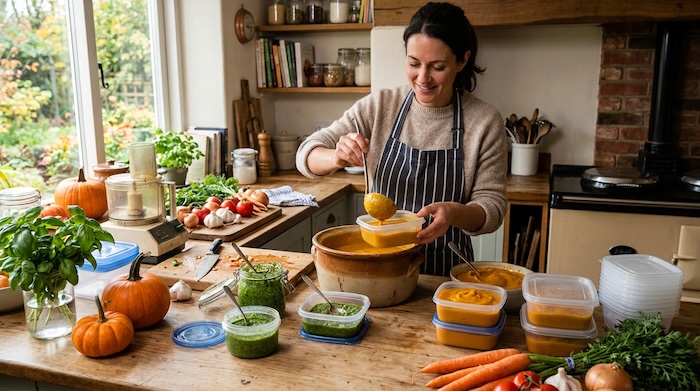
Can I just pressure can a food if it isn’t safe for water bath canning?
No. A pressure canner isn’t a way to make any recipe safe for home canning. Pressure-canning instructions are tested for specific foods, preparation methods, jar sizes, pressures, and processing times. If there isn’t a tested procedure for the food or recipe you want to preserve, simply putting it in a pressure canner isn’t enough.
Can I change the ingredients in a tested canning recipe?
It depends on the change, but I’m very careful about altering tested canning recipes. Adding extra low-acid vegetables, changing the proportions of ingredients, adding thickeners, or changing the consistency of a recipe can affect how safely it processes.
For shelf-stable canning, I prefer to follow the tested recipe as written and make changes after I open the jar. That still gives me plenty of flexibility when I’m cooking.
Why does the thickness of food matter when canning?
The consistency of the food affects how heat moves through the jar. A thick puree or sauce may heat differently than chunks of food surrounded by liquid.
That’s why you shouldn’t puree, mash, or thicken a food before canning unless the tested recipe specifically tells you to do so.
Are old family canning recipes safe to use?
Not necessarily. I love old recipes, but canning recommendations have changed as food-safety research has improved. If I have an old family recipe, I compare the ingredients and processing method with current recommendations before using it for shelf-stable canning.
If I can’t find a current tested method that matches it, I’ll usually freeze the food instead rather than take the chance.
Where should I look for safe home-canning recipes?
For canning safety, I look for recipes and processing instructions from reliable research-based sources such as the National Center for Home Food Preservation, USDA Complete Guide to Home Canning, and university extension programs.
Extra Tips for Safe Home Food Storage
Safe food preservation doesn’t end when the jars come out of the canner. How you check, label, and store your jars afterward matters too. Here are a few things I always keep in mind when stocking the pantry with home-canned food:
-
Start with a tested recipe. Use current canning instructions from trusted sources such as the USDA, National Center for Home Food Preservation or a university extension service. A jar sealing doesn’t necessarily mean the food inside was processed safely.
-
Check the seals before storing your jars. Let jars cool undisturbed for 12 to 24 hours and then check the seals. With standard two-piece canning lids, the center of a properly sealed lid should be slightly concave and shouldn’t spring back when pressed.
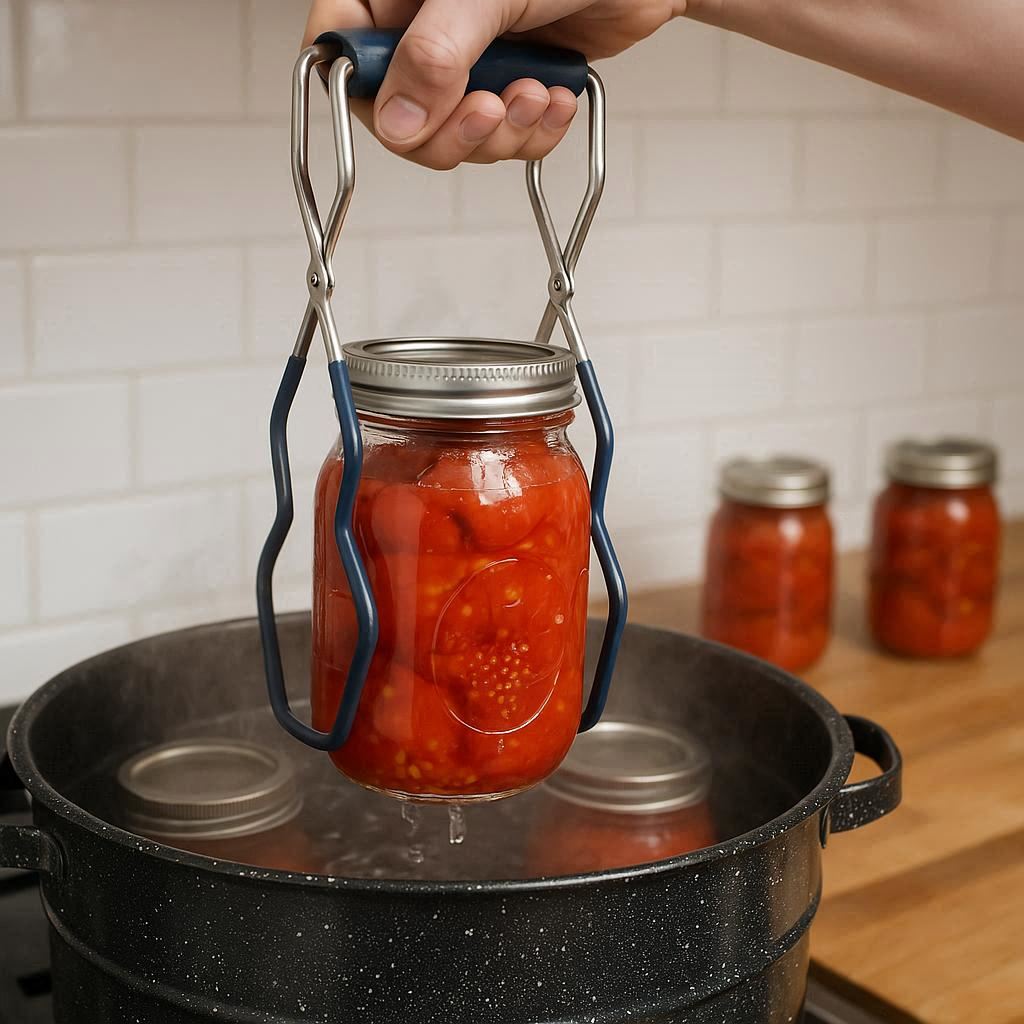
If you’re new to canning, a basic home canning tool kit with a jar lifter, funnel, and headspace tool can make filling and handling hot jars much easier.
-
Remove the screw bands for storage. Once the jars have cooled and you’ve confirmed the seals, remove the bands, wash away any food residue, and dry the jars before putting them away. Storing jars without the bands also makes it easier to notice if a seal fails later.
-
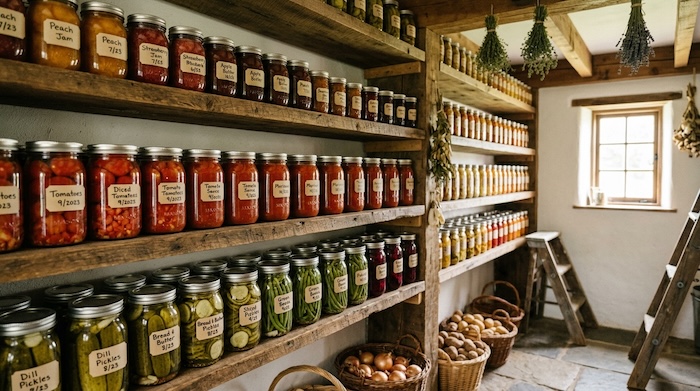
Label and date everything. I like knowing exactly what is in each jar and when I canned it. It also makes rotating the pantry much easier.
-
Store jars somewhere cool, dark, and dry. Avoid direct sunlight, damp areas, and places exposed to high temperatures or big temperature swings. For best quality, the National Center for Home Food Preservation recommends storage between 50°F and 70°F.
-
Use your oldest jars first. I put newer jars behind the older ones so we’re naturally working through the pantry in order. For best quality, plan to use most home-canned foods within about a year.
-
Inspect every jar before opening it. Watch for a broken or bulging seal, leaking, dried food streaks coming from the top of the jar, unusual bubbles, or other signs of spoilage. If a jar is suspect, don’t taste the food to find out if it’s safe.
One rule I never take chances with is this: when you’re unsure whether a jar was canned using a safe, tested method, don’t rely on how it looks, smells, or tastes to decide whether it’s safe. Never taste questionable home-canned food to test it.
Real-World Examples and Preserving Smarts
Sometimes the easiest way to understand safe canning is to look at what happens in a real kitchen. I know a friend who tried to can creamy broccoli soup made with cheese and flour and ended up throwing the whole batch away. It was a good reminder that a recipe we normally cook for dinner isn’t automatically suitable for home canning.
That’s why I stick with tested recipes when I’m putting food on the pantry shelf. Foods such as tomatoes, jams, pickles, vegetables, and other foods can all be preserved successfully when you use a tested recipe and the correct canning method for that particular food.
If something isn’t suitable for home canning, that doesn’t mean you can’t preserve it. Freezing is often the easiest alternative. I freeze homemade hummus, pesto, and blended soups in small containers so they’re easy to pull out when I need them.
Dehydrating and fermenting can also be great choices depending on the food. I dehydrate fruit for snacks, for example, and sauerkraut is a great way to preserve cabbage through fermentation.
Sometimes the trick isn’t figuring out how to can everything you grow—it’s choosing the right preservation method for each food. Once you start looking at it that way, preserving the harvest becomes much easier.
Frequently Asked Questions
Q: Can I pressure can leftover meals or restaurant food?
A: I wouldn’t. You usually don’t know the exact proportions of ingredients in restaurant or takeout food, and leftovers may contain dairy, flour, cornstarch, pasta, rice, or other ingredients that aren’t included in tested home-canning procedures.
If I want ready-to-eat meals on my pantry shelf, I start with a tested canning recipe rather than trying to can leftovers. Freezing is usually the better choice for leftover meals.
Q: Can I can homemade smoothies or green juices?
A: Only use a tested canning recipe specifically developed for the type of juice or purée you’re making. There are safe home-canning procedures for certain fruit juices and fruit purées, but that doesn’t mean every combination of fruits and vegetables can be blended and safely canned.
I wouldn’t take a favourite smoothie or green juice recipe and try to make it shelf-stable unless I could find a tested canning procedure that matched it. When there isn’t one, freezing is the safer and easier option.
Q: Is there a safe way to can sauces with cheese or cream?
A: Don’t add cheese, cream, or milk to a home-canning recipe unless you’re following a current tested recipe that specifically includes it.
For example, tested home-canned soup instructions specifically say not to add cream or milk before processing. If I want a creamy soup or sauce, I prefer to preserve an appropriate tested base and add the dairy when I open the jar and prepare the meal.
Q: If a jar seals, does that mean the food is safe?
A: No. A sealed jar tells you that a vacuum formed—it doesn’t prove that the food was prepared and processed safely.
That’s why it’s so important to start with a tested recipe and follow the specified jar size, canning method, processing time, and altitude adjustment. A jar of food that wasn’t processed correctly shouldn’t be considered safe simply because the lid sealed.
Q: What should I do if I can’t find a tested canning recipe for a food?
A: I choose another preservation method rather than experimenting with the canner. Depending on the food, freezing, dehydrating, or fermenting may be a much better option.
There are so many ways to preserve a garden harvest that there’s really no reason to take a chance with an untested canning method.
Final Thoughts on Foods You Should Never Can
Home canning is one of my favourite ways to preserve food from the garden, but I’ve learned that knowing what not to can is just as important as knowing what you can safely preserve.
The good news is that avoiding these foods doesn’t limit what you can put away for later. Many foods that aren’t suitable for home canning can be frozen, dehydrated, or fermented instead. Sometimes it’s simply a matter of choosing the right preservation method for the food you’re working with.
If you’re just getting started, my Step-by-Step Guide to Water Bath Canning for Beginners walks you through the entire process, from preparing your jars to processing and storing them.
And if you’ve got tomatoes coming out of the garden, you can follow my How to Water Bath Can Tomatoes guide for step-by-step instructions.
The biggest thing I’ve learned is not to experiment when it comes to canning safety. I stick with current, tested recipes for anything that’s going onto the pantry shelf. If I can’t find a tested canning method for something I want to preserve, I’ll freeze, dehydrate, or ferment it instead.
That still gives me plenty of ways to make the most of what we grow—and I can feel confident about the food I’m putting away for later.
Food Safety Note: Always use a current, tested canning recipe and follow the recommended processing time, jar size and altitude adjustments. Canning recommendations can change, so check a trusted source such as the National Center for Home Food Preservation for current guidelines.
This post may contain affiliate links. As an Amazon Associate, I earn from qualifying purchases at no additional cost to you.
© 2025 – 2026, Teresa. All rights reserved.
Hey,
This is such an informative article as the foods you describe that shouldn’t be canned, a lot are canned.
I’m going to share this article with chef friends and family and see what they think.
I’ll encourage them to comment and if they have any questions then they should get in touch with you, if that is OK?
Thank you for sharing and keep up the great work.
All the best,
Tom
Hi Tom,
Thanks so much! I’d love to hear what your chef friends and family think. They’re more than welcome to comment or reach out with any questions. Appreciate your support!
All the best,
Teresa